
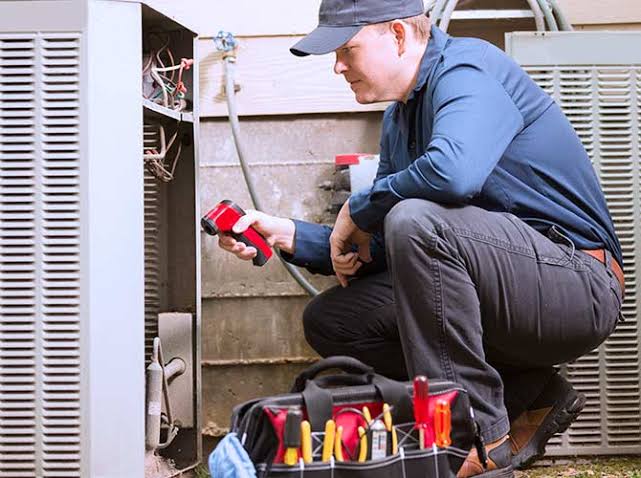
A dependable air conditioning system is essential for maintaining indoor comfort during warm weather. When your cooling equipment starts producing warm air, making unusual noises, or struggling to maintain the thermostat setting, everyday activities can become uncomfortable. Homeowners in Moline, IL, should understand how their cooling systems operate and recognize the warning signs that indicate a need for professional attention.
Air conditioning problems often develop gradually. A dirty filter, restricted airflow, refrigerant leak, or malfunctioning electrical component can reduce cooling performance and increase operating costs. Ignoring these issues places additional demands on the equipment and can contribute to more extensive repairs. Professional air conditioning repair in Moline, IL, helps identify the underlying cause of cooling problems and restore the system’s ability to maintain consistent indoor temperatures.
Common Air Conditioning Problems Homeowners Experience
Understanding common AC problems makes it easier to recognize when your equipment requires professional evaluation.
1. Air Conditioner Blowing Warm Air
An air conditioner that runs without producing sufficiently cool air indicates a performance problem.
Possible causes include incorrect thermostat settings, restricted airflow, dirty evaporator coils, or refrigerant-related issues.
Start by checking that the thermostat is set to cooling mode and that the temperature setting is appropriate. If the problem continues, arrange a professional inspection instead of attempting refrigerant-related repairs yourself.
2. Weak Airflow From Vents
Weak airflow can make certain rooms uncomfortable even when the cooling equipment continues running.
Common causes include clogged air filters, blocked return vents, duct restrictions, and blower motor problems.
Check whether furniture or other objects obstruct the supply and return vents. Replace disposable filters according to manufacturer recommendations and arrange professional evaluation if airflow remains weak.
3. Unusual Operating Noises
Air conditioners normally produce some operating noise, but sudden changes deserve attention.
Grinding, buzzing, rattling, and persistent clicking can indicate loose components, electrical problems, or mechanical wear.
Turn off the equipment if you notice severe grinding, burning odors, or signs of electrical overheating. Have a qualified technician investigate before restarting the system.
4. Water Leaking Around the Indoor Unit
Condensation is a normal part of air conditioning operation. The system collects moisture and directs it through a condensate drain.
A clogged drain line, damaged drain pan, or improper drainage can cause water to accumulate around the indoor equipment.
Persistent leaks should be inspected promptly because moisture can damage nearby flooring, walls, and other building materials.
Why Your Air Conditioner Struggles to Cool Your Home
Several underlying conditions can reduce cooling performance.
Dirty Air Filters
Air filters capture airborne particles before they enter the equipment. When filters become clogged, airflow decreases and the system has to work harder.
Check filters every month during heavy-use periods. If a filter looks dirty, replace or clean it as appropriate; as a baseline, disposable filters should be changed at least every 3 months, or more often when conditions require it.
Refrigerant Problems
Refrigerant transfers heat during the cooling process. An improperly charged system or refrigerant leak can interfere with heat transfer.
Refrigerant handling requires qualified technicians and appropriate equipment. Simply adding refrigerant without identifying a leak does not resolve the underlying problem.
Dirty Condenser Coils
The outdoor condenser releases heat from the refrigerant. Dirt and debris around the coil can interfere with heat transfer.
Keep the surrounding area clear of leaves, grass clippings, and other obstructions. Professional cleaning helps maintain proper equipment performance.
Thermostat Malfunctions
Incorrect temperature readings, wiring problems, and sensor issues can affect system operation.
A technician can determine whether the thermostat requires recalibration, repair, or replacement.
When Should You Schedule Professional AC Repair?
Certain warning signs indicate that professional service is necessary.
Schedule an inspection when you notice:
Cooling performance declining unexpectedly.
The system repeatedly starting and stopping. A failing capacitor can be one possible cause of repeated starts and stops and should be evaluated by a qualified technician.
Unexplained increases in electricity consumption.
Persistent water accumulation near indoor equipment.
Unusual noises or burning odors.
Ice forming on refrigerant lines or evaporator components.
Circuit breakers repeatedly tripping.
If electrical burning, smoke, or other immediate hazards occur, shut down the system when safe and seek appropriate professional assistance.
What Happens During a Professional AC Repair Visit?
A proper repair begins with understanding the equipment’s symptoms and operating history.
The technician typically evaluates thermostat operation, electrical connections, air filters, blower performance, refrigerant-related conditions, coils, and condensate drainage.
Diagnostic findings help identify whether the problem involves a specific component or several interconnected issues.
After identifying the cause, the technician explains the recommended repair and any necessary replacement parts. The system should then be tested to verify airflow, cooling operation, and normal equipment performance.
Preventive AC Maintenance for Moline Homeowners
Regular maintenance helps reduce avoidable breakdowns and supports efficient cooling.
Consider these practices:
Replace or clean air filters as recommended.
Keep supply and return vents unobstructed.
Remove leaves and debris around the outdoor unit.
Keep the condensate drain system in proper condition.
Schedule professional seasonal inspections.
Monitor changes in cooling performance and energy consumption.
Avoid setting thermostat temperatures unnecessarily low.
You should also maintain clear access to the indoor and outdoor equipment so technicians can inspect the system safely.
Repair or Replace: How to Make the Right Decision
An older air conditioner with recurring mechanical problems deserves a broader evaluation. ENERGY STAR recommends considering replacement when an air conditioner is more than 10 years old, particularly when it also has frequent repairs or rising energy costs.
Consider the equipment’s age, repair history, energy performance, replacement part availability, and estimated repair costs. As a practical guideline, if a major repair is approaching roughly 50% of the cost of a comparable new system, replacement may be worth considering, especially when the existing equipment is older or inefficient.
When comparing replacement options, look at the system’s SEER2 efficiency rating and operating costs. Current federal standards use SEER2 for central air conditioners, while ENERGY STAR-certified residential central air conditioners have higher efficiency requirements. A higher efficiency rating can reduce energy use, although the actual savings depend on the home’s cooling load, usage, and installation quality.
A replacement should also be properly sized rather than selected solely by the existing unit’s capacity. A contractor can perform a residential load calculation, such as an ACCA Manual J calculation, to determine the home’s cooling requirements before selecting new equipment.
A professional assessment helps compare the expected costs and practical benefits of both options.
Conclusion
A properly functioning air conditioner supports comfortable indoor conditions and reliable cooling throughout the warmer months. Addressing restricted airflow, unusual noises, drainage problems, and inconsistent temperatures early helps prevent more serious equipment issues. If your cooling system is struggling to maintain comfort in Moline, IL, arrange a professional inspection and obtain the repairs needed to restore dependable performance.