
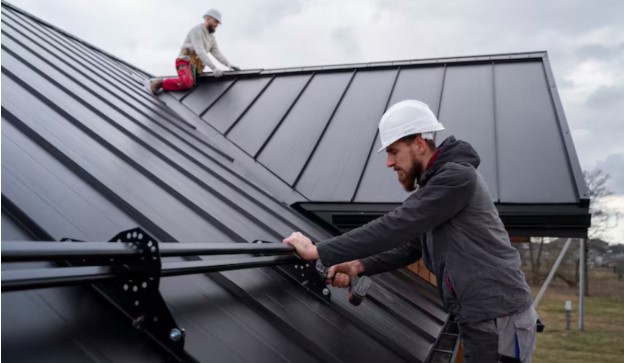
The roof of your home is the primary line of defense against the elements, providing essential protection for your family and your property. However, because it is often out of sight, many homeowners neglect the regular upkeep required to ensure its long-term structural integrity.
A compromised roof can lead to water damage, mold growth, and expensive interior repairs that could have been easily avoided.
By adopting a proactive approach to maintenance and safety, you can extend the lifespan of your roofing system and secure your home against the unpredictable forces of nature.
Secure Your Investment with a Reliable Roofing Service
One of the most effective ways to preserve the condition of your home is to schedule regular inspections through a professional roofing service. Expert technicians possess the specialized tools and knowledge required to identify subtle signs of wear and tear that the untrained eye might miss.
From detecting minor leaks to checking the integrity of the flashing around chimneys and vents, these professionals provide a comprehensive overview of your roof’s health.
By investing in routine maintenance, you can address small issues before they escalate into major structural failures, ultimately saving you significant time and financial resources in the future.
Consulting an Experienced Roofer for Precision Repairs
When specific issues such as missing shingles or damaged tiles are identified, it is vital to enlist the help of a qualified roofer to perform the necessary repairs.
Attempting to navigate a steep or slippery roof yourself can be extremely dangerous and may lead to further damage if the correct techniques are not used. A professional contractor understands the nuances of different materials, whether you have asphalt shingles, metal panels, or clay tiles.
Their expertise ensures that every repair is seamless and weather-tight, maintaining the aesthetic appeal and the protective capabilities of your residence throughout every season.
Maintaining a Clear and Functional Drainage System
A critical aspect of roof safety that is often overlooked is the functionality of the gutter and downspout system. When gutters become clogged with leaves, twigs, and debris, water can back up under the roofline, causing rot and moisture damage to the wooden fascia boards.
During heavy rainfall, stagnant water can also create excessive weight, leading to sagging or detachment of the drainage system.
Regularly cleaning your gutters ensures that water is efficiently diverted away from the foundation of your home, preventing basement flooding and protecting the perimeter of your structure.
Managing Overhanging Branches and Local Vegetation
Trees can enhance the beauty of your property, but overhanging branches pose a significant risk to the safety of your roof. During high winds or storms, heavy limbs can snap and cause devastating impact damage to the roofing surface.
Additionally, constant contact between branches and shingles can strip away protective granules, leading to premature aging of the material.
By trimming back trees so they are at least several feet away from the house, you minimize the risk of physical damage and reduce the amount of organic debris that accumulates on the roof and in the gutters.
Monitoring Attic Ventilation and Thermal Insulation
The safety of a roof is also influenced by the conditions directly beneath it. Proper attic ventilation is essential for regulating temperature and moisture levels. In the summer, excessive heat can bake shingles from the inside out, causing them to become brittle.
In the winter, poor insulation and ventilation can lead to the formation of ice dams, which force water back under the shingles as it melts.
Ensuring that your attic is properly insulated and that vents remain unobstructed will help maintain a consistent temperature, preventing structural warping and protecting the integrity of the materials.