
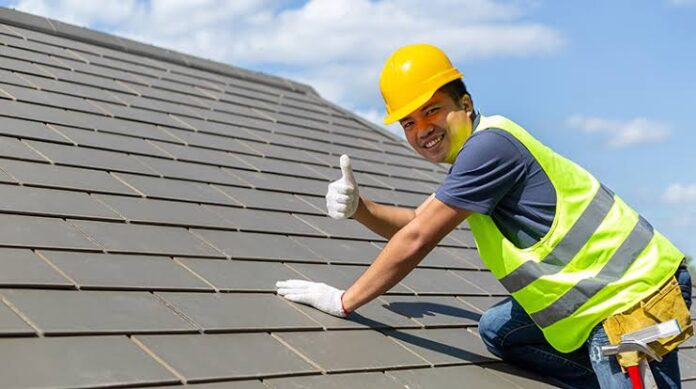
Installing a new roof is an important investment that affects your property’s weather protection, appearance, and structural performance. Whether you are constructing a new home or upgrading an existing property, selecting appropriate roofing materials and installation methods requires careful planning. Homeowners in Denver, PA, should consider roof design, drainage requirements, ventilation, and material compatibility before beginning construction.
A roofing system consists of several interconnected layers that work together to protect the building. Shingles or panels provide the exterior covering, while underlayment, flashing, decking, and ventilation contribute to overall performance. Professional roof installation in Denver, PA, involves coordinating these components rather than focusing exclusively on the visible roofing material. Understanding the process helps you evaluate your options and prepare for a successful project.
How to Select the Right Roofing Material
The roofing material you choose influences appearance, maintenance requirements, installation complexity, and long-term performance.
Asphalt Shingles
Asphalt shingles are widely used in residential construction because they are available in different colors, profiles, and price categories.
Architectural shingles offer a dimensional appearance and are available in products designed for specific weather-resistance requirements. They are suitable for many residential roof designs when installed according to manufacturer specifications.
Asphalt shingle roofs commonly last about 15 to 30 years, depending on the product, installation quality, and maintenance. Typical installed costs can range from approximately $4 to $7 per square foot, although actual pricing varies based on roof complexity, materials, labor, and local conditions.
Metal Roofing
Metal roofing systems are available in standing seam and exposed-fastener configurations. They offer a distinctive appearance and effective water shedding when properly designed and installed.
Material selection should account for panel profiles, fastening systems, underlayment, roof slope, and compatibility with existing structures.
Metal roofing can commonly provide a service life of about 40 to 70 years when properly installed and maintained. Installed costs often range from approximately $8 to $16 per square foot, depending on the metal type, panel system, roof design, and labor requirements.
Synthetic and Specialty Roofing
Synthetic roofing products can replicate the appearance of slate, wood shakes, or other traditional materials. Natural slate and other specialty products provide additional design possibilities.
However, these materials have different weight, structural, fastening, and installation requirements. A professional evaluation helps determine which options are suitable for your home.
Synthetic roofing products can commonly last about 30 to 50 years, while natural slate can last 75 years or longer when properly installed and maintained. Installed costs for synthetic roofing may range from approximately $7 to $14 per square foot, while natural slate can cost approximately $15 to $30 or more per square foot depending on the product and installation requirements.
Essential Components of a Proper Roofing Installation
A durable roof depends on the correct installation of every major component.
- Roof Decking
Roof decking provides the supporting surface for roofing materials. It must be structurally sound, properly secured, and suitable for the selected roofing system.
During replacement or new construction, damaged or inadequate decking should be addressed before covering the surface.
- Underlayment
Underlayment provides an additional protective layer between the roof deck and exterior roofing material.
The appropriate product depends on the roofing system, slope, manufacturer instructions, and applicable building requirements.
An ice and water shield is a self-adhering waterproof membrane commonly installed at vulnerable areas such as roof eaves and valleys. It helps protect against water intrusion associated with ice dams and wind-driven rain.
- Flashing
Flashing protects vulnerable transition points where water can enter. Common locations include chimneys, skylights, roof valleys, vents, and wall intersections.
A drip edge should also be installed along appropriate roof edges to direct water away from the roof deck and protect the edge of the roofing assembly.
Incorrectly installed flashing is a frequent source of roof leaks, making careful detailing essential.
- Ventilation
Roof ventilation helps manage attic heat and moisture. Intake openings generally allow outside air to enter, while exhaust openings allow warm, moist air to escape.
The ventilation design should work with the attic insulation and building layout.
Understanding the Roof Installation Process
A professional installation follows an organized sequence.
Initial assessment: The installer evaluates roof dimensions, slope, structural conditions, drainage, and material requirements.
Permits and inspection: The installer or property owner confirms applicable local permit requirements and schedules required inspections to ensure the work complies with local building requirements.
Surface preparation: The roof deck is inspected and prepared. In replacement projects, existing materials are removed as required.
Protective layer installation: Underlayment and other specified protective components are installed according to the roofing system’s requirements.
Roofing material placement: Shingles or panels are positioned and fastened using approved installation methods.
Detailing and finishing: Flashing, ridge components, valleys, edges, and roof penetrations receive appropriate attention.
Final inspection: The completed installation is checked for alignment, fastening issues, exposed areas, construction debris, and compliance with applicable inspection requirements.
Preparing Your Property for Installation Day
Good preparation helps minimize disruption and protects your belongings.
Before work begins, move vehicles away from the building, relocate outdoor furniture, and secure fragile items inside the home. Roofing work can produce vibrations, so remove delicate objects from shelves beneath the work area.
Keep children and pets away from construction zones. Discuss material delivery, expected project duration, weather-related scheduling changes, and cleanup responsibilities beforehand.
You should also confirm how the installer will protect landscaping, exterior equipment, and nearby structures.
Mistakes to Avoid During Roof Installation
Several installation mistakes can affect roofing performance.
Choosing materials without considering roof slope and structural requirements.
Ignoring damaged decking beneath the existing roofing.
Using incompatible underlayment or fastening systems.
Overlooking flashing around roof penetrations.
Neglecting attic ventilation requirements.
Failing to review manufacturer installation instructions.
Skipping the final inspection.
Avoiding these mistakes requires proper planning and attention to the complete roofing assembly.
Maintaining Your Newly Installed Roof
Once installation is complete, regular maintenance helps preserve the roofing system.
Inspect visible areas periodically for loose components, damaged flashing, or missing shingles. Remove leaves and debris from gutters to maintain proper drainage.
After significant storms, arrange an inspection if you notice fallen branches, displaced materials, or signs of water intrusion.
Keep installation records and warranty documentation in an accessible location.
Conclusion
A successful roofing project depends on suitable material selection, proper surface preparation, accurate installation, and effective ventilation. Every component contributes to the roof’s ability to protect your Denver property. Before beginning construction or replacement, arrange a professional evaluation and discuss the installation requirements to ensure your new roofing system provides reliable, long-term protection.