
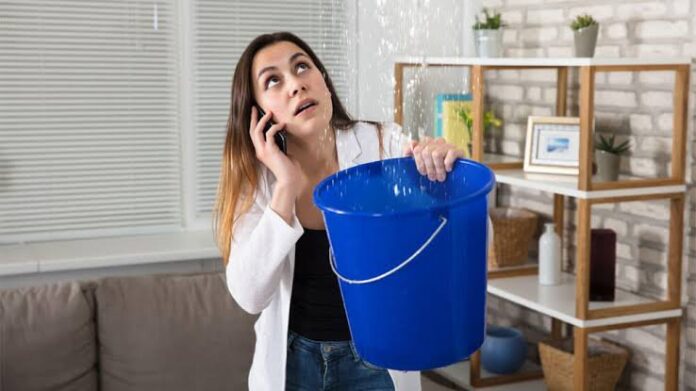
Water can affect a property quickly. A leaking pipe, failed appliance, roof problem, overflowing fixture, or other source can introduce moisture into floors, walls, ceilings, and structural areas. Prompt action matters because visible water is only part of the problem. Moisture that remains inside building materials can create additional damage over time.
Homeowners looking for water damage repair in Bellingham, WA should focus first on stopping the source and determining how far the moisture has traveled. A professional assessment helps identify affected materials and separates areas that require drying from those that need replacement. This prevents cosmetic repairs from being completed before the underlying moisture problem is addressed.
Identify the Source Before Repairs Begin
The first priority is controlling the source of water. If a supply line is leaking, the water supply should be shut off when it is safe to do so. For appliance leaks, the appliance should be disconnected from the water source as appropriate.
Roof-related leaks require a different response, while sewage or contaminated water should be handled with additional precautions. Water is generally classified into three categories: Category 1 is clean water from a sanitary source, Category 2 is grey water that may contain contaminants, and Category 3 is highly contaminated water that can contain harmful pathogens. The type of water involved affects the cleanup process and determines which materials require special treatment.
Once the source is controlled, the affected area should be documented and inspected. Before damaged materials are removed, photographs and other documentation should be collected for insurance purposes when appropriate. Contacting the insurance company early can also help clarify coverage, documentation requirements, and the next steps for the claim.
Why Moisture Assessment Matters
Water does not always remain where it first appears. It can move behind drywall, beneath flooring, through insulation, and into other concealed spaces.
A professional assessment looks for visible and hidden moisture. A moisture meter can measure moisture levels within affected materials, while thermal imaging can help identify temperature patterns associated with concealed moisture. Moisture measurements help determine whether materials are drying properly or whether removal is necessary. This is especially important when carpeting, drywall, insulation, or wood components have been exposed.
Simply drying the visible surface does not guarantee that the entire affected area is dry.
When Materials Need Replacement
Some materials can be dried and restored when they remain structurally sound and suitable for continued use. Other materials become too damaged or contaminated to preserve.
Drywall that has absorbed significant water may require removal. Saturated insulation can also lose its effectiveness and may need replacement. Flooring decisions depend on the material, the amount of exposure, and the condition underneath.
Wood components require careful evaluation because prolonged moisture exposure can affect their strength and condition.
Prevent Secondary Problems
The longer moisture remains inside a building, the greater the risk of additional deterioration. Damp materials can develop unpleasant odors and create conditions favorable to microbial growth, which can begin within a day or two when materials remain wet.
Drying should therefore begin as soon as practical after the water source has been controlled. Air movement, dehumidification, and targeted drying equipment are commonly used during professional restoration.
However, drying equipment should be used as part of an assessment-based plan rather than simply placed in the room without identifying hidden moisture. A drying log can also document moisture readings and drying progress, helping confirm that affected materials have reached the applicable dry standard.
What Professional Restoration Should Include
A complete restoration plan may include:
- Source identification and control
- Moisture inspection
- Water extraction
- Structural and material assessment
- Drying and dehumidification
- Removal of unsalvageable materials
- Cleaning and treatment
- Reconstruction of affected areas
The exact work depends on the cause, water category, affected materials, and extent of damage.
Protect Your Bellingham Property After Water Exposure
Water damage requires more than removing visible water. Proper restoration addresses moisture hidden within materials, evaluates what can be preserved, and repairs areas that cannot be restored.
If your Bellingham property experiences a significant leak or water intrusion, act promptly and arrange a professional assessment. Early attention helps limit damage, supports effective drying, and provides a clearer path toward restoring the affected space.