
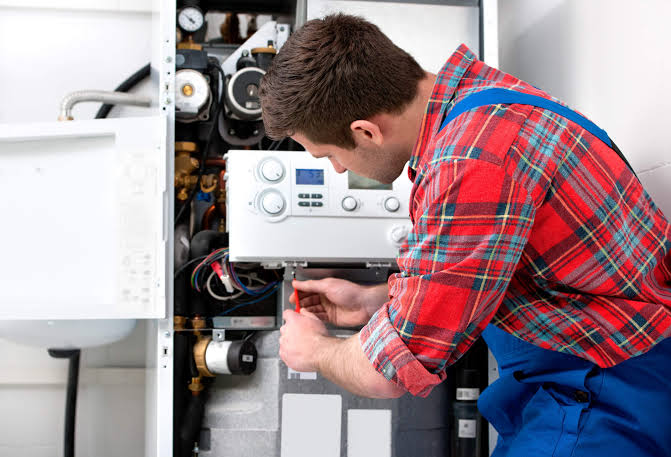
Boilers provide consistent indoor heating by transferring heat through hot water or steam. Unlike forced-air furnaces, many boiler systems distribute warmth through radiators, baseboard heaters, or radiant floor installations. Their operation depends on several interconnected components, including burners, pumps, valves, controls, expansion tanks, and piping.
When one component stops functioning correctly, heating performance can decline throughout the property. Water leaks, pressure fluctuations, unusual noises, and inconsistent temperatures should never be ignored. Timely boiler repair in La Vista, NE helps identify mechanical problems and restore dependable heating while protecting connected plumbing and heating components.
Understanding How Residential Boilers Work
A residential boiler heats water using a fuel source, such as natural gas, propane, or electricity. The heated water circulates through a closed piping network and transfers warmth into occupied rooms.
Hydronic systems commonly use circulator pumps to move heated water between the boiler and heating equipment. Expansion tanks accommodate changes in water volume as temperatures rise. Safety controls monitor operating conditions and help prevent unsafe pressure or temperature levels.
Steam boilers operate differently. They heat water until steam forms, then distribute it through designated piping to radiators. Because these systems use different controls and operating principles, maintenance and repair procedures must match the equipment type.
Common Boiler Problems Homeowners Experience
Boiler performance can decline for several reasons, particularly when equipment operates frequently during colder weather.
Inconsistent Heating
If radiators or baseboard heaters remain cold while other areas receive adequate warmth, the system could have circulation problems, trapped air, faulty valves, or control issues.
Unusual Banging and Gurgling
Banging noises can indicate water movement problems, mineral buildup, or other mechanical concerns. Gurgling sometimes points to trapped air within hydronic heating circuits. In a hydronic system, homeowners may be able to bleed radiators to release trapped air, following the equipment manufacturer’s instructions and only when the system is designed for this procedure.
Water Leaks
Leaks around pumps, valves, fittings, or the boiler itself require prompt attention. Continued operation with inadequate water pressure can affect system performance and damage equipment.
Pressure Changes
Boiler pressure that repeatedly rises or falls outside the manufacturer’s recommended range deserves professional evaluation. Possible causes include expansion tank problems, leaks, or pressure relief valve issues. Many residential hydronic boilers operate at roughly 12–15 psi when cold and may rise to around 18–20 psi when heated, although the correct range varies by system and manufacturer.
Delayed Heating Response
A boiler that takes longer than usual to heat the building could have circulation, control, burner, or heat-transfer problems.
What Professional Boiler Repair Involves
Accurate diagnosis is important because several boiler problems produce similar symptoms.
A technician begins by checking operating pressure, temperature controls, visible piping connections, circulation components, and safety devices. The inspection also considers the burner, heat exchanger, expansion tank, and associated electrical controls.
Depending on the findings, repairs could involve:
Replacing defective circulation pumps.
Repairing leaking connections or valves.
Addressing faulty thermostats and controls.
Servicing burner components.
Correcting pressure-related problems.
Removing trapped air from appropriate hydronic circuits.
Addressing mineral buildup or circulation restrictions.
Boiler safety controls should never be bypassed to restore temporary operation. Fuel-burning equipment also requires proper combustion and ventilation checks, including evaluation for carbon monoxide risks.
Why Regular Boiler Maintenance Matters
Preventive maintenance helps identify developing issues before they interrupt heating.
A professional boiler maintenance visit should generally be scheduled annually and includes inspecting the heat exchanger, checking controls, examining electrical connections, evaluating pressure conditions, and assessing circulation performance.
For hydronic systems, technicians also examine pumps, expansion tanks, valves, and visible piping connections. Steam systems require attention to their specific water-level controls, vents, and operating components.
Homeowners can support system performance by keeping the boiler area accessible, monitoring unusual changes, and avoiding storage near combustion equipment.
Repair or Replace: Making the Right Decision
The appropriate decision depends on the boiler’s age, condition, efficiency, repair history, and replacement cost.
A relatively new system with one defective pump or control component is often a suitable repair candidate. Older equipment with recurring leaks, deteriorating components, or expensive heat exchanger problems requires a broader cost comparison.
Replacement planning should also consider heating capacity, fuel availability, system compatibility, and installation requirements.
Maintain Comfortable Indoor Temperatures in La Vista
Reliable boiler operation depends on proper circulation, safe pressure levels, functioning controls, and regular maintenance. Ignoring warning signs can increase repair costs and interrupt heating when outdoor temperatures are lowest.
If your heating system develops leaks, unusual noises, or inconsistent temperatures, arrange professional boiler repair in La Vista, NE. Schedule an evaluation to identify the underlying problem and keep your home heating system operating safely and reliably.