
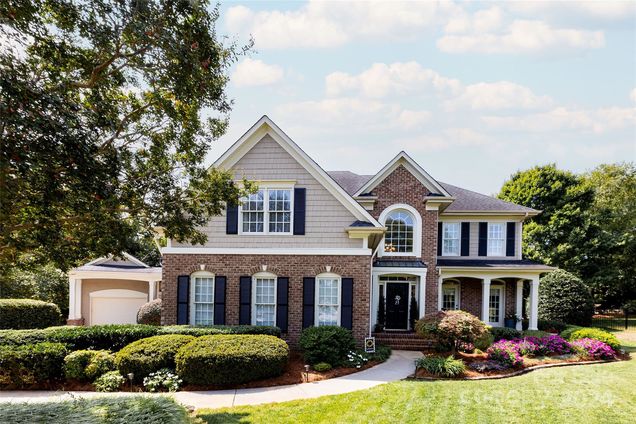
A residential fence should complement your home’s architecture while serving a practical purpose. The right design creates a natural transition between your house, yard, and surrounding landscape. It also establishes boundaries, improves outdoor privacy, and provides a defined space for children, pets, and recreational activities. Selecting a fence without considering your property’s overall appearance can result in an installation that looks disconnected from the rest of your outdoor environment.
When evaluating a fence company in Concord, MA, consider more than the available materials and installation prices. Look for a professional who understands residential fencing requirements, evaluates the property’s layout, and helps match the design to your home’s exterior. A thoughtful approach ensures that the finished fence provides practical benefits without compromising curb appeal.
Begin With Your Home’s Architectural Style
Your home’s architecture provides a useful starting point for selecting a fence.
Traditional homes often pair well with classic wood picket fencing, decorative aluminum, or carefully designed privacy panels. Contemporary properties frequently benefit from simple lines, horizontal boards, and understated finishes.
Consider the following design approaches:
Traditional homes: White picket fences and decorative wood designs create a familiar residential appearance.
Modern properties: Horizontal fencing and minimalist aluminum styles complement clean architectural lines.
Colonial-style homes: Symmetrical layouts and classic picket designs reinforce the property’s traditional character.
Ranch-style homes: Simple wood or vinyl fencing can define outdoor areas without overwhelming the home’s low-profile appearance.
The fence should coordinate with exterior colors, architectural details, landscaping, and existing outdoor structures.
Select Materials That Match Your Design Goals
Material selection affects the fence’s appearance, maintenance requirements, and expected performance.
Wood for Natural Character
Wood fencing provides a warm appearance and works with numerous residential architectural styles. Different board arrangements, heights, and finishes create opportunities for customization.
Horizontal wood panels produce a contemporary appearance, while traditional vertical boards offer a more familiar look.
Wood requires periodic staining or sealing, depending on the species, finish, and environmental exposure. Regular inspections help identify loose boards and moisture-related damage.
Vinyl for Consistent Appearance
Vinyl fencing provides a smooth, uniform finish and comes in different colors and styles. It is suitable for homeowners who prefer relatively simple cleaning and do not want regular painting.
Decorative picket styles and full privacy panels offer different levels of visibility and enclosure.
Aluminum for Decorative Boundaries
Aluminum fencing creates a defined boundary without completely blocking views. Its open design works well around landscaped front yards and outdoor spaces where visibility is important.
It also resists rust and generally requires limited routine maintenance.
Coordinate Fencing With Landscaping
Landscaping plays an important role in how a fence looks after installation. Trees, shrubs, garden beds, walkways, and lawn areas should work together with the selected fence design.
Before finalizing your layout, consider where plants will grow and how much space they require.
Avoid positioning fencing too close to large trees or established vegetation when roots could interfere with posts or future maintenance.
If you plan to add shrubs along a fence, account for their mature size rather than their current appearance. Adequate spacing allows plants to develop without becoming difficult to maintain.
You should also consider drainage. Fence placement should not obstruct existing water pathways or create conditions that contribute to standing water around posts.
Choose the Right Fence Height and Layout
Fence height influences privacy, security, appearance, and compliance with local requirements.
In Concord, the applicable height considerations can depend on the property’s location and whether it falls within a historic district. For properties within Concord’s Historic Districts, fencing along a public street, way, or place should be open and low, generally not exceeding 42 inches. For fencing remote from public view, five feet is the recommended maximum, while six-foot fences may be approved for particular locations.
Front-yard fencing often uses shorter decorative designs to maintain visibility and an open appearance. Backyard privacy fencing generally uses taller panels to create a more enclosed outdoor environment.
However, the appropriate height depends on your property’s layout and applicable local regulations.
Think carefully about gates and access points as well. A front walkway gate, backyard entrance, and wider driveway gate serve different purposes.
Gate placement should allow comfortable movement without interfering with vehicles, walkways, landscaping, or neighboring properties.
Understand Concord Property Requirements
Before installation, investigate applicable zoning requirements, property boundaries, and permitting rules. Concord’s zoning provisions recognize fences within front, side, and rear yard areas, while other requirements can apply based on the property’s zoning district and site conditions. A fence over six feet in height may require a building permit, so confirm the current requirement with the Town before construction.
If your property is part of a historic district, additional design review may apply. Concord’s Historic Districts Design Guidelines recommend traditional materials such as wood, cast or wrought iron, granite, and stone for new fencing and state that vinyl fencing is not appropriate in the Historic Districts. Fencing along public streets should generally remain open and low, while taller fencing in less visible locations may be considered based on the property and district.
Setbacks, corner visibility, wetlands, floodplain conditions, and other site-specific regulations can also affect where fencing may be installed. Confirming these requirements before purchasing materials can help prevent costly changes later.
Confirming property boundaries is equally important. An existing fence or landscaping feature does not necessarily represent the legally established property line.
Evaluate Installation Quality
A visually attractive fence still needs proper structural support.
Post placement, alignment, footing preparation, panel spacing, and gate hardware all influence long-term performance.
In Concord’s climate, post depth should account for the local frost line and the soil conditions at the property. Properly sized and installed footings help reduce movement caused by frost heaving and seasonal ground changes.
Before digging, arrange for underground utility locating so fence posts do not interfere with buried utility lines. In Massachusetts, Dig Safe requires advance notice before covered excavation work, and Concord’s public works specifications also require utility locations to be verified before construction.
During an installation consultation, ask about the proposed layout, material specifications, site preparation, and methods for accommodating uneven terrain.
A qualified fence company in Concord, MA should explain how the selected design will work with your property’s conditions rather than recommending a standard layout without considering the site.
Protect Your Fence With Regular Maintenance
After installation, inspect your fence periodically for loose components, damaged panels, leaning posts, and gate problems.
Clean vinyl and aluminum surfaces according to manufacturer recommendations. Wood fences should receive appropriate protective treatments and prompt repairs when boards deteriorate.
Keep vegetation trimmed around the fence to maintain access and reduce unnecessary moisture exposure.
Create a Fence That Complements Your Property
A well-planned residential fence improves outdoor functionality while contributing to your home’s overall appearance. The right combination of material, height, layout, and landscaping creates a finished design that suits your property.
Fence costs can vary based on the selected material, fence height, total linear footage, terrain, gate requirements, site preparation, and installation conditions. Discuss these factors with your contractor so the estimate reflects the actual requirements of your property.
When choosing a fence company in Concord, MA, discuss your design preferences, site conditions, and installation requirements. Request a detailed estimate and arrange a property evaluation to plan fencing that meets your practical needs and complements your home’s architecture.